Artifices and Assemblages of Dravidian Landscapes
Material, Water & Floods: A Study of Bagalur Cross, Bangalore.
Facilitator: Dr. Deepta Sateesh
Exploring the Interplay of Material, Topography and Infrastructure to critically look at movement, containment and resistance of water and the cause of floods.
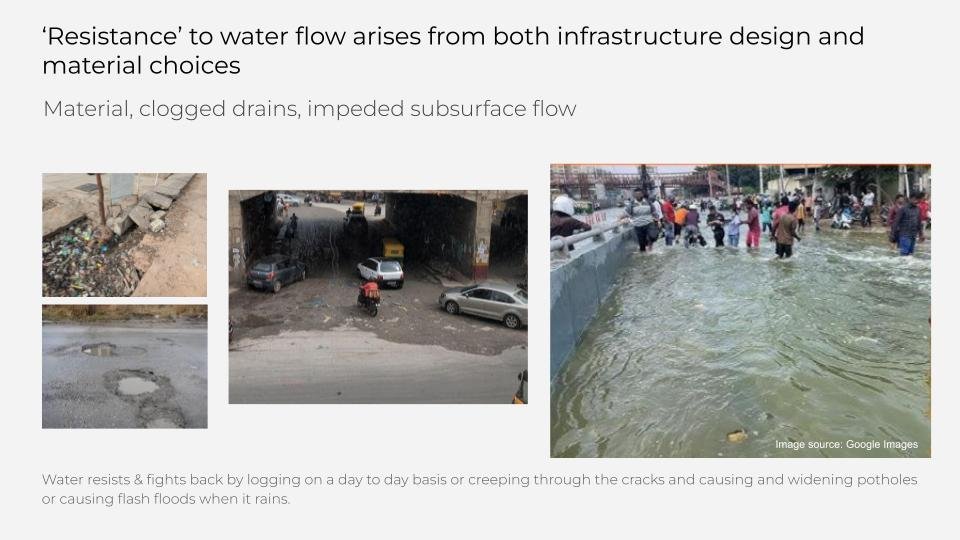
Flooding is a 'Design' Disaster
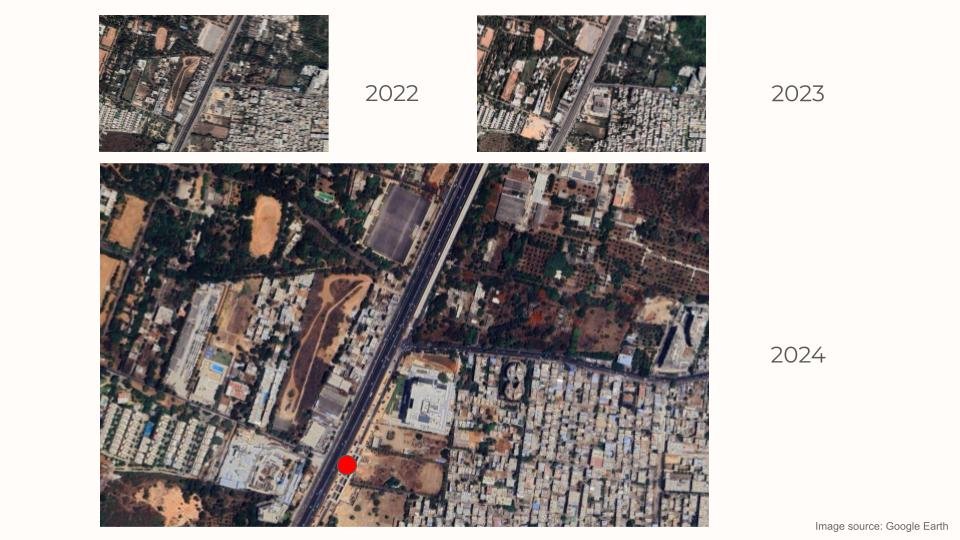
We ask that question about the city of Bangalore. We all have been affected by it and it looks to be a recent problem as the development is creeping into peri-urban regions of Bangalore.
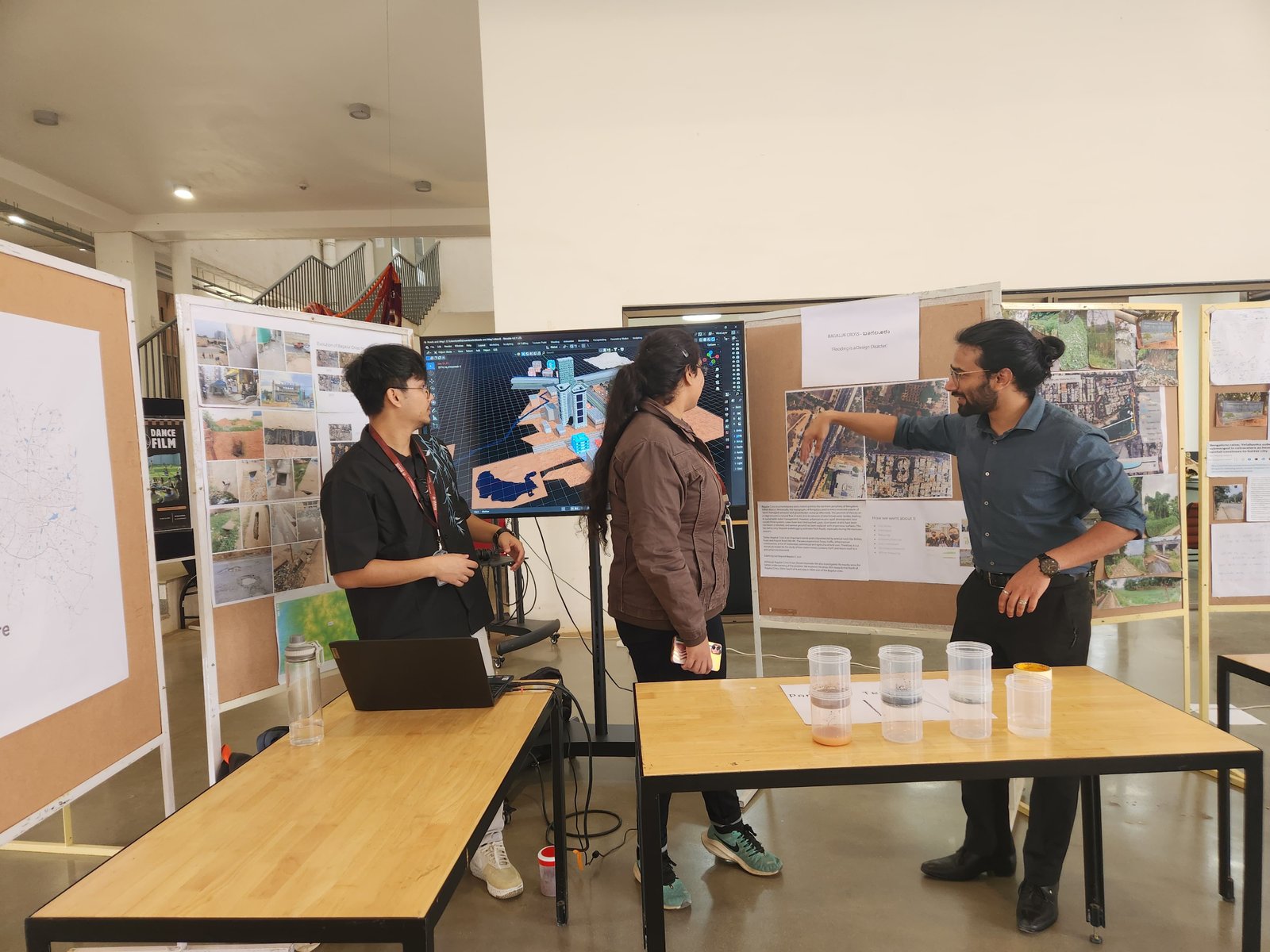
We chose Bagalur Cross as our micro-site for field observations and looked not only at infrastructure, topography, people, traffic but how it felt to be there. We had an on-the-ground sensory experience to see Bagalur Cross through a different lens.
Bagalur Cross — An Introduction
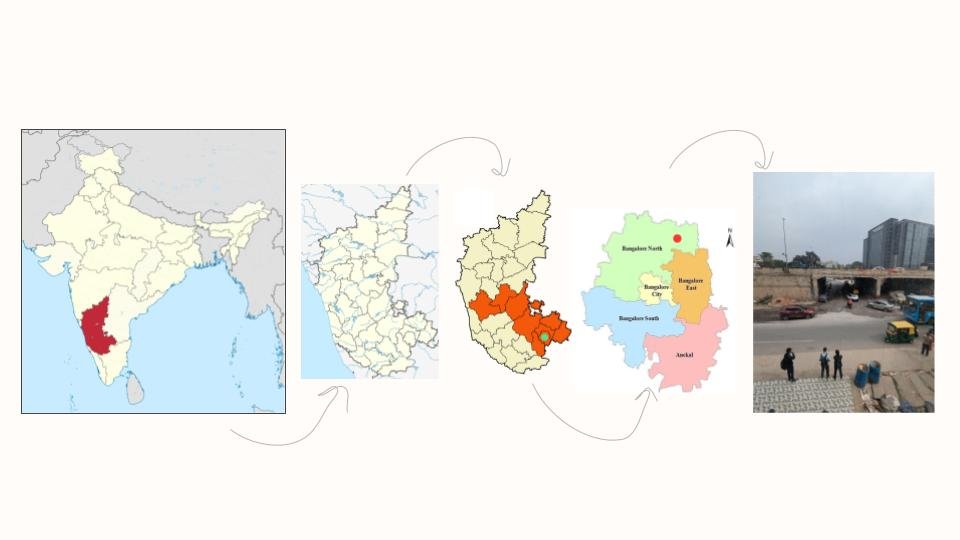
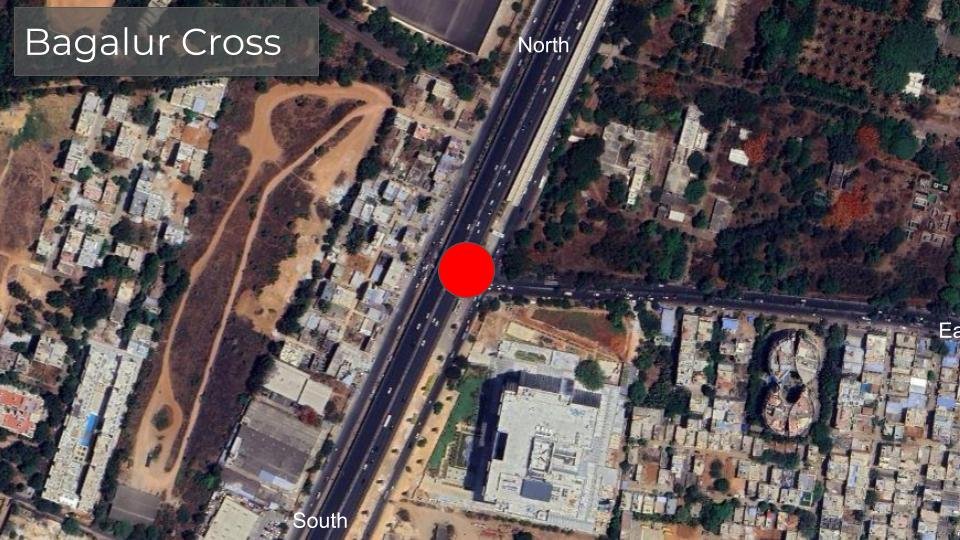
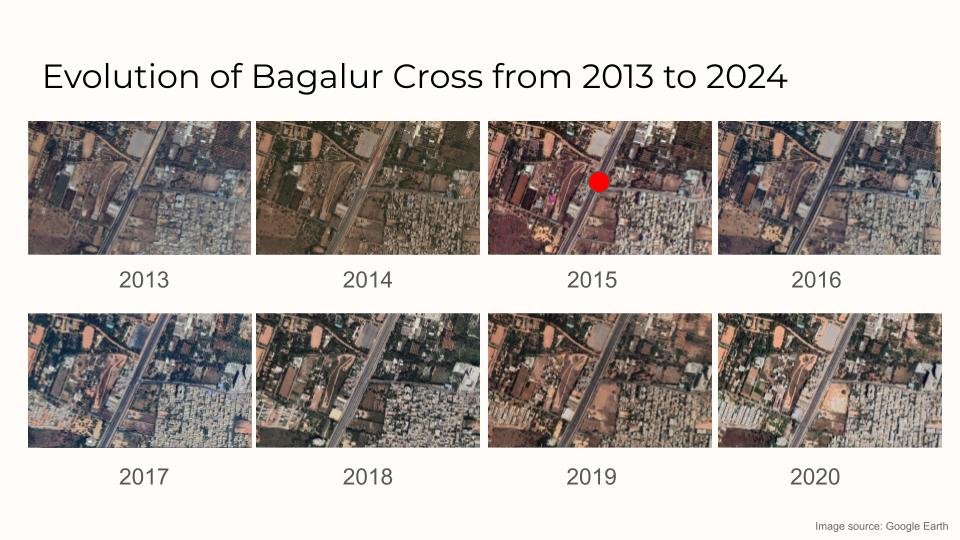
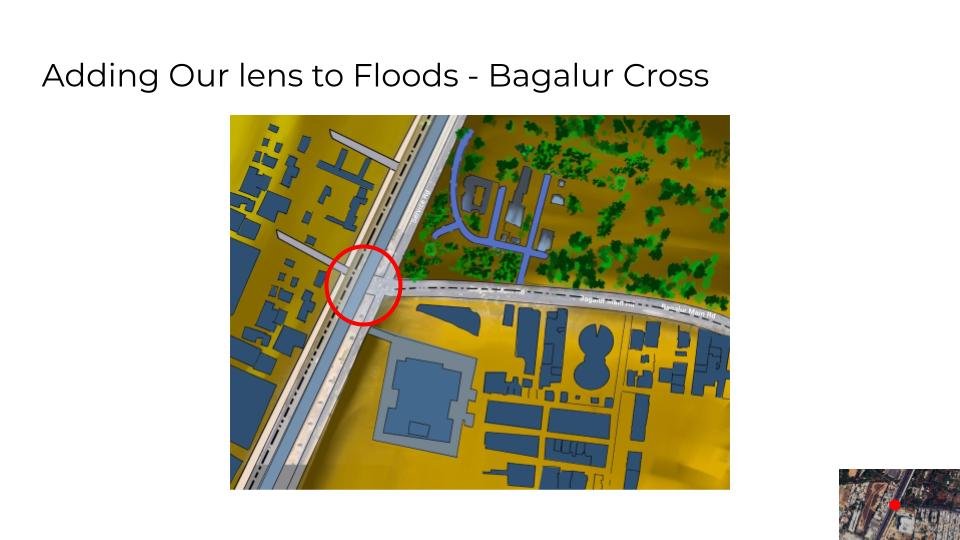
Bagalur Cross is an important T-junction with a flyover connecting various places of interests in the Northern Part of Bengaluru Urban District of Karnataka. It shares its boundaries with Yelahanka taluk and is approximately 15.5 Km down south of Kempegowda International Airport, Bengaluru.
We chose Bagalur Cross as our microsite which includes the T-junction, 500 meters from the cross towards the road that leads to the airport and one that leads to Kogilu and 600 meters of road towards Bagalur.
Philosophical & Conceptual Footing
Wet Ontologies
(Philip Steinberg & Kimberley Peters)
Recognizing water as a dynamic and relational entity that interacts with human and non-human systems.
Temporality of Landscape
(Tim Ingold)
Viewing landscapes as processes shaped over time rather than static entities.
Relationality
Emphasizing interconnectedness between water, infrastructure, and materials.
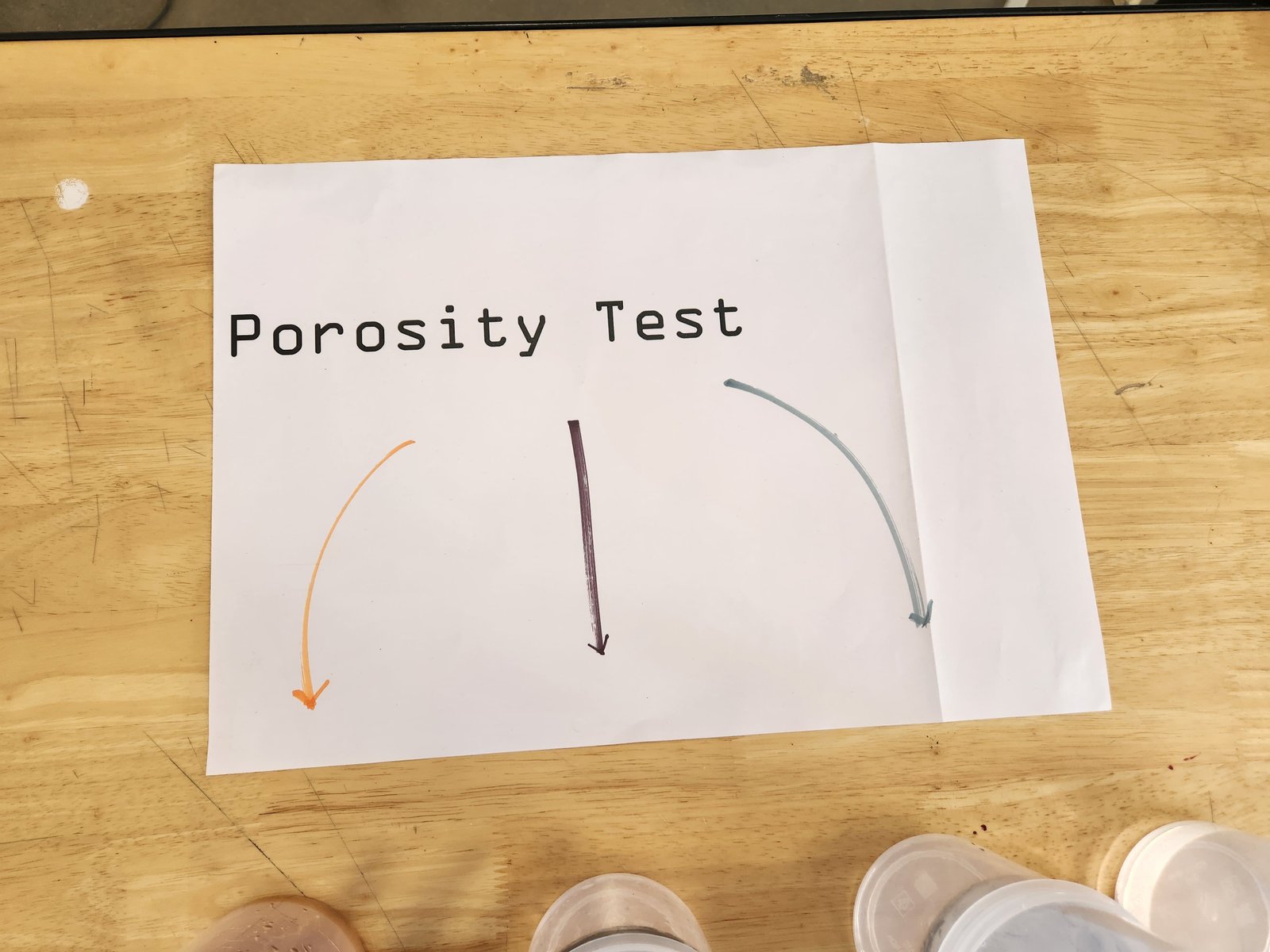
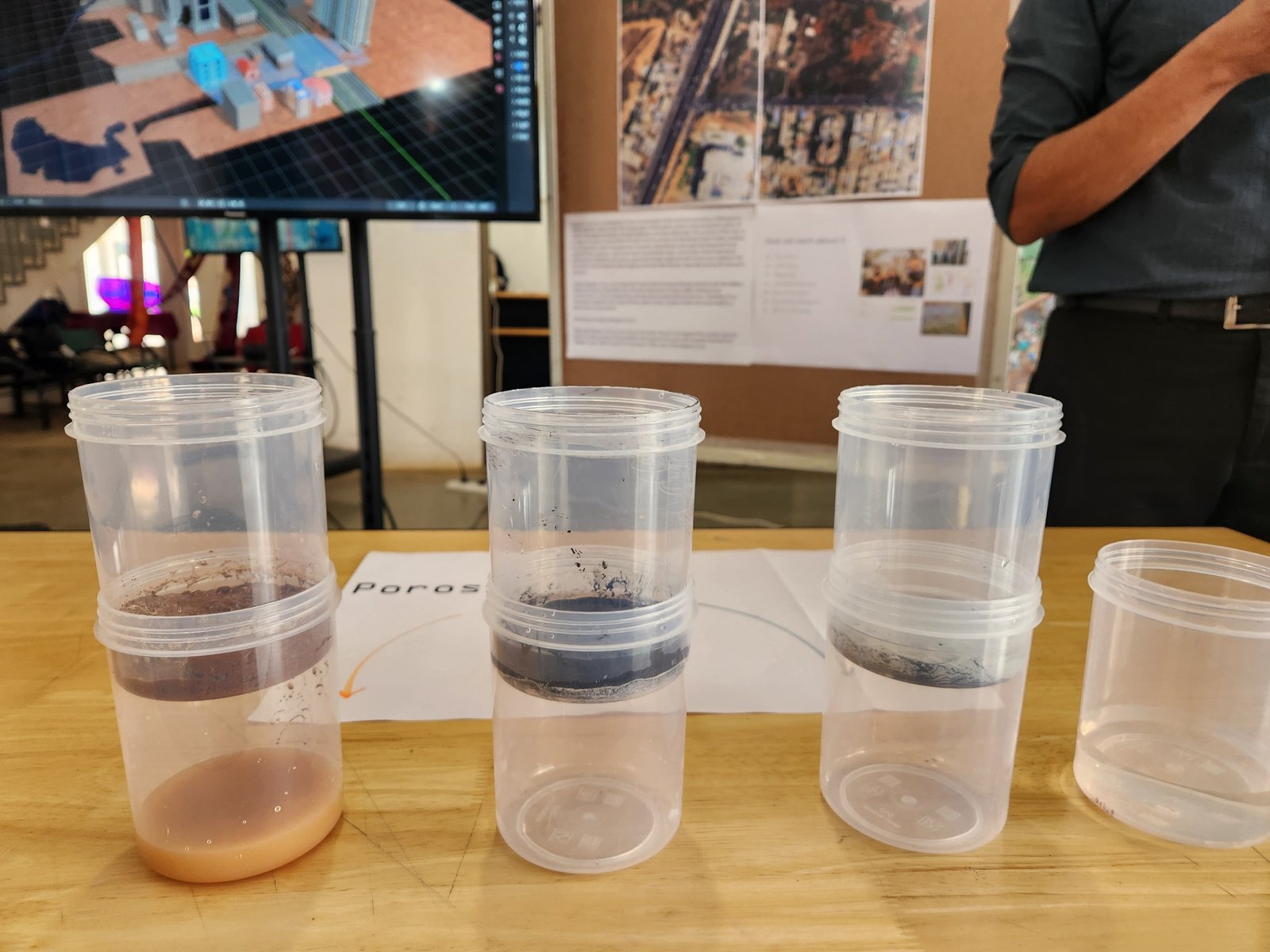
Seepage
Seepage is slow water movement through porous materials due to gravity and pressure differences.
Multidirectional, depending on material permeability and hydraulic gradient.
Seepage vs Flow
Seepage occurs in porous media; flow happens in channels, pipes, or porous media.
Seepage is multidirectional; flow is typically unidirectional.
How We Went About It
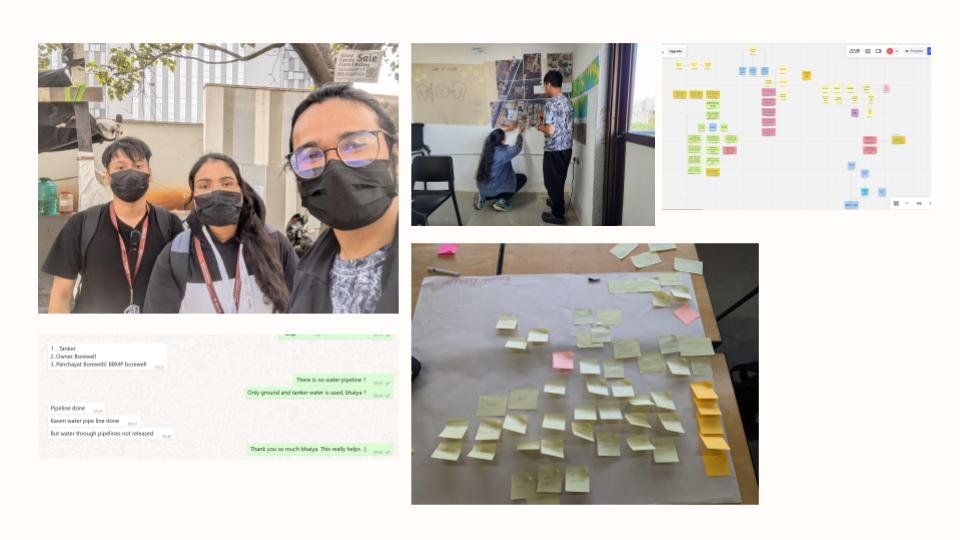
Field Observations
Using the 5 Operatives of place devised by Dr. Deepta Sateesh
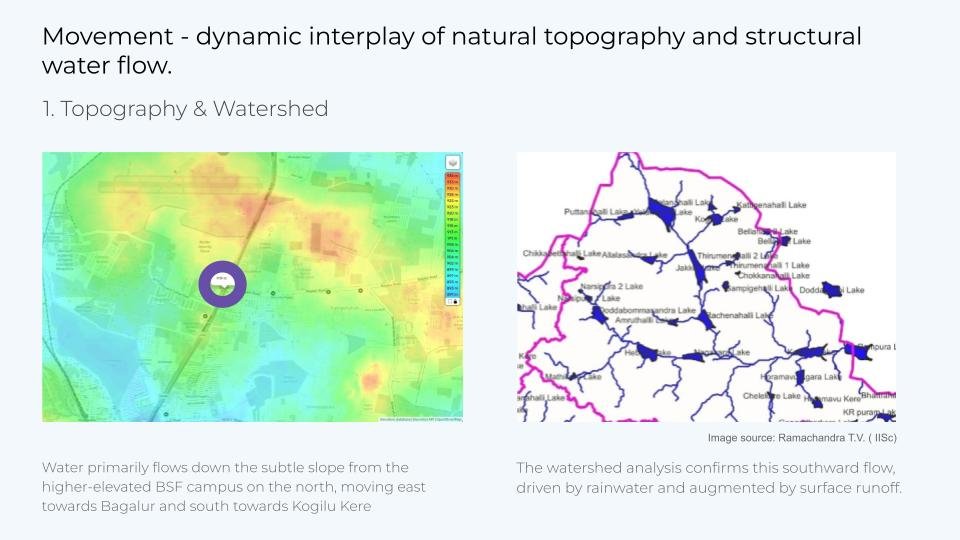
Following are the lenses we see water through:
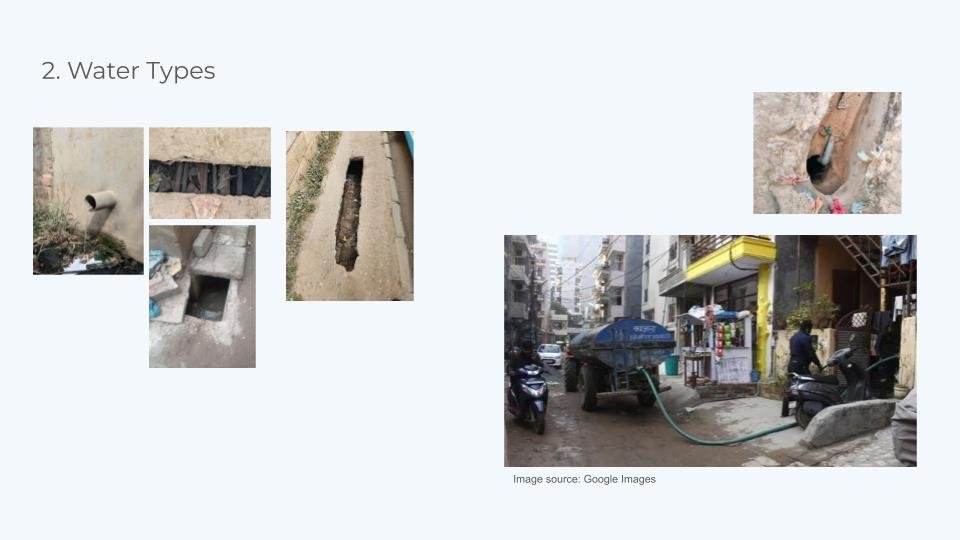
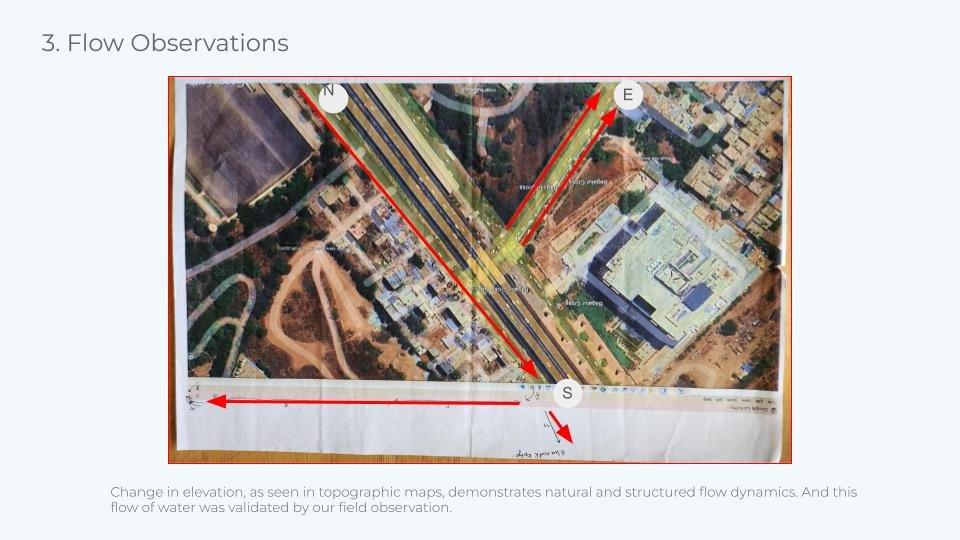
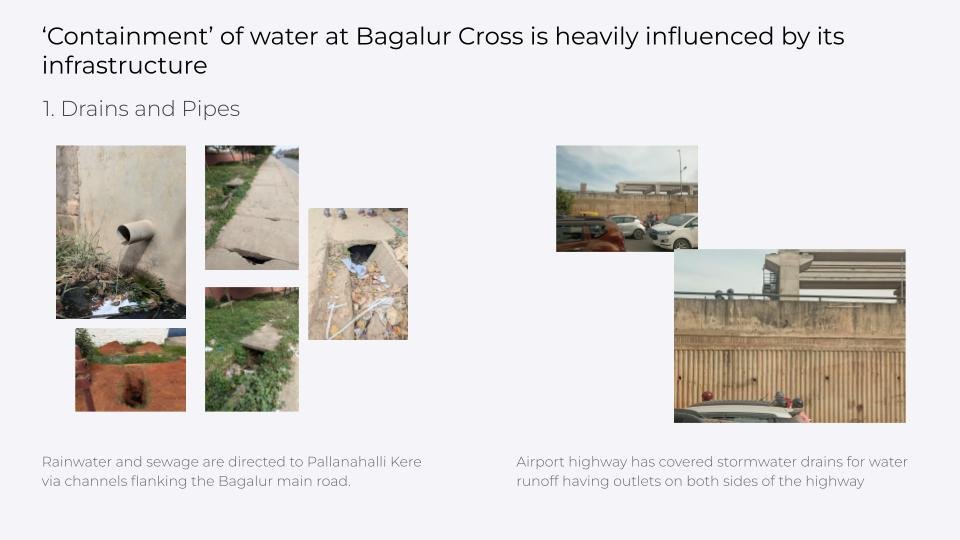
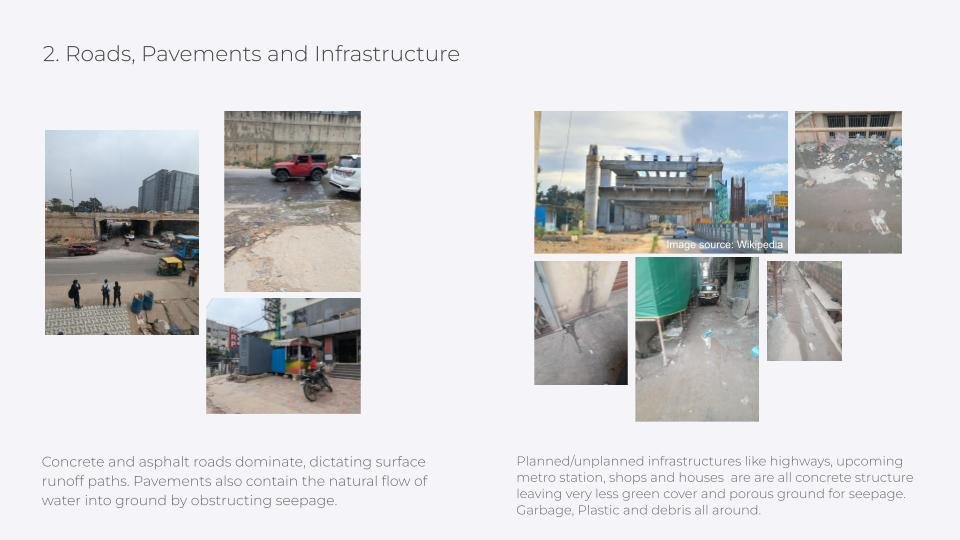
Site Observation Sketch — Bagalur Cross
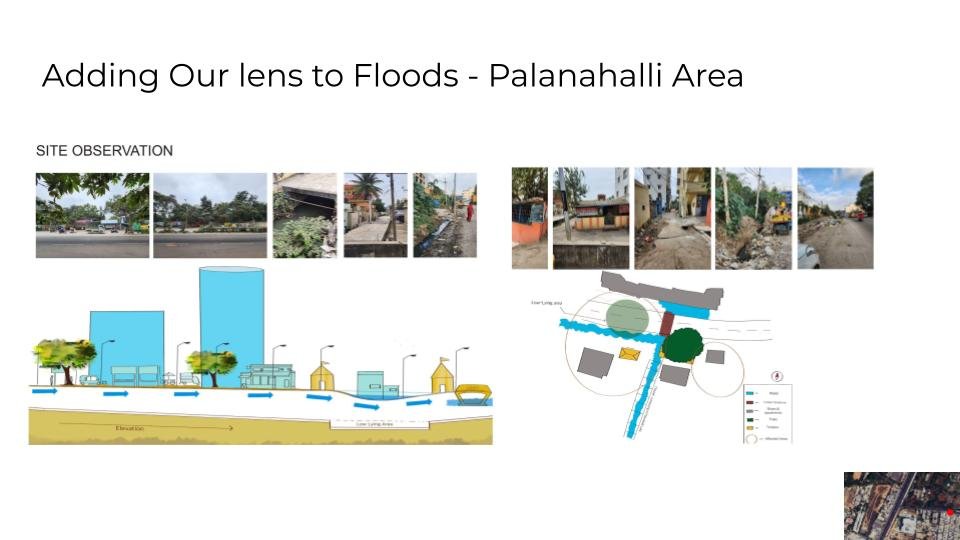
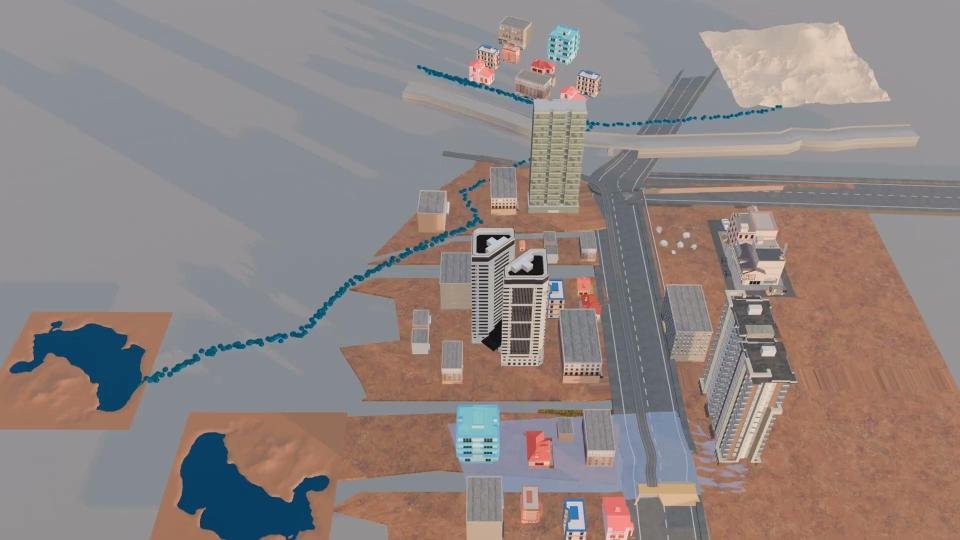
Checking the research findings against our observations at the site, documenting the interplay between infrastructure, water flow patterns, and material conditions.
Summary of Findings
Our study reveals that the materials and infrastructure at Bagalur Cross are ill-suited to its hydrological context.
The lack of porosity in surfaces and materials hinders natural seepage, while the infrastructure prioritizes immediate functionality over long-term resilience.
Urbanization's vision, driven by short-term goals, overlooks the critical need for integrating water-sensitive design principles.
Way Forward
Our study reveals that the materials and infrastructure at Bagalur Cross are ill-suited to its hydrological context.
The lack of porosity in surfaces and materials hinders natural seepage, while the infrastructure prioritizes immediate functionality over long-term resilience.
Urbanization's vision, driven by short-term goals, overlooks the critical need for integrating water-sensitive design principles.
Research Paper
This transdisciplinary research project culminated in a comprehensive research paper documenting our findings, methodologies, and recommendations for water-sensitive urban design in rapidly developing peri-urban areas of Bangalore.
